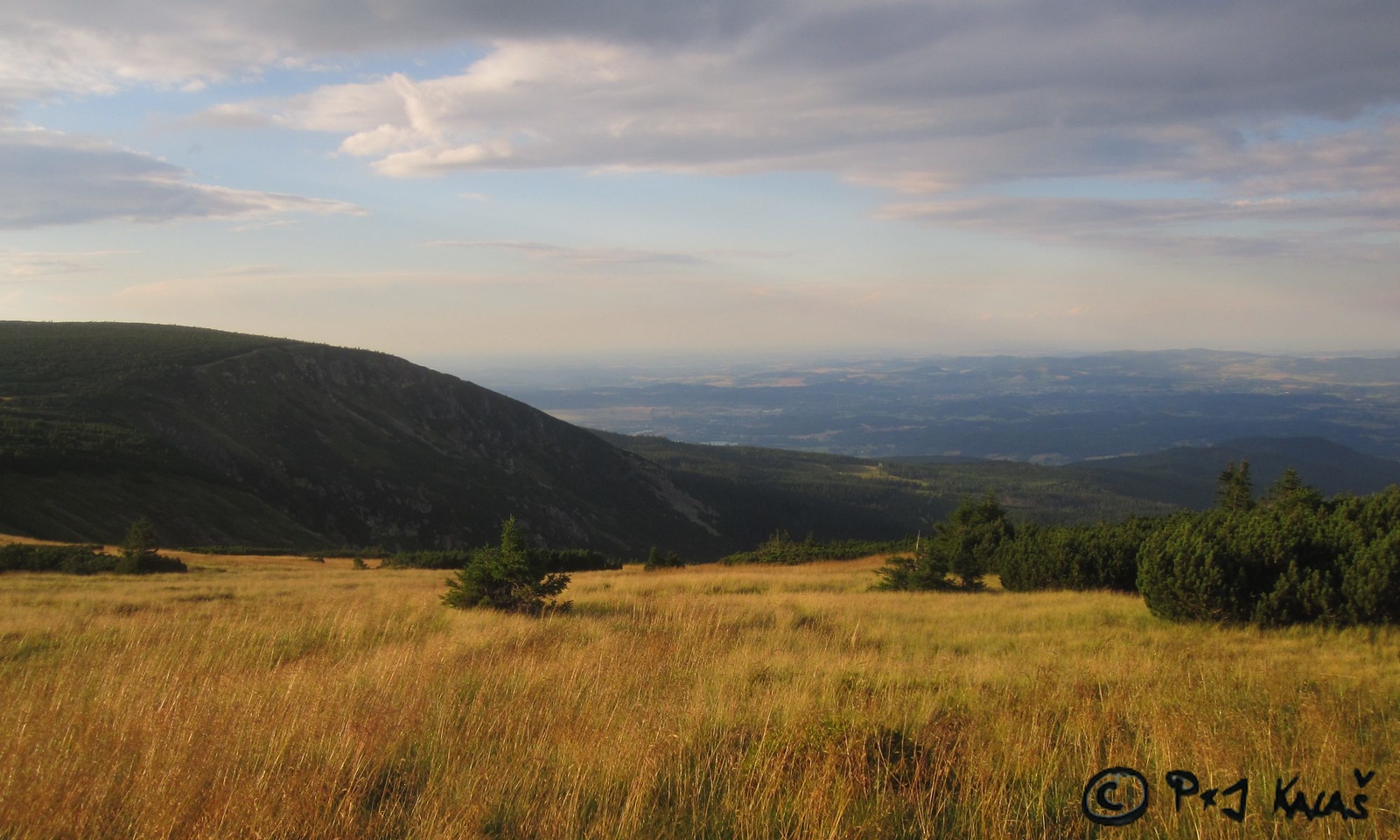
Welcome to my professional Blogging space aimed to share reflections and inspire practical action on all aspects that are simply “Katalytic” and “eco-logical”…….🌍
Worth reflecting on……..
“Imagine and achieve a future where the human impact on the planet is reduced to sustainable levels and the ravaged ecosystems of today are restored to flourishing levels of diversity and abundance.
A future where where even large cities are sparkling green jewels.
A future where we can all look our children in the eye and honestly say:
‘We did the best we could. For the most part, we’ve solved the environmental problems that we created. Please learn from our mistakes and emulate our successes. The Earth is a beautiful planet to call our home’“.
— David R. Boyd, The Optimistic Environmentalist
Biography Patrick P. Kalas:
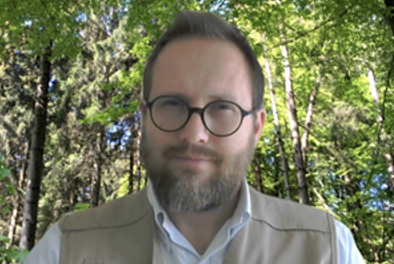
Privileged and proud to work for planet and humanity to overcome the world’s most pressing environmental and equitable development challenges
Over 20 years’ experience to design, implement and facilitate learning for more sustained action within 80+ catalytic development initiatives in 40+ countries harmoniously benefiting planet and humanity (see examples)
Career dedication to “move the planetary challenges needle” through tackling the integrated nexus between the environmental (i.e. climate change, biodiversity loss, land degradation, pollution) food and nutrition insecurity, sustainable agriculture as well as equitable socio-economic development (Linked-in).
Earned degrees and diplomas from Swiss Federal Institute of Technology (ETH Zurich), the Graduate Institute for International Development Studies Geneva (IHEID), Harvard University and Wageningen University.
Experience across private, bilateral government donor (Swiss Agency for Development), multilateral and non-for-profit sector organisations currently working with the Food and Agriculture Organization of the United Nations (FAO)
Currently implementing two groundbreaking integrated “Impact Programs” with FAO funded by by the Global Environment Facility (GEF) on Food Systems, Land Use and Restoration (FOLUR) and Food Systems Integrated Programme (FSIP) to sustainably transform agri-food systems. FOLUR in 27 countries with budget 345 million and FSIP in 32 countries with USD 280 million with USD 2.2 billion total investments.
Previous UN-FAO duties were to amplify “E for Environment” within “agriculturE” through: (i) shaping/implementing corporate strategies for FAO-GEF strategic partnership (USD 1 billion portfolio); Climate Change Mitigation and Adaptation; Biodiversity Mainstreaming across Agriculture Sectors; FAO Forestry Framework and FAO’s Corporate Environmental Responsibility, (ii) helping to institutionalise Climate Smart Agriculture, Agroecology, Halting Deforestation as well as carbon neutral commodities (livestock, tea, coffee), (iii) shaping the FAO Office for Climate, Biodiversity and Environment, (iv)designing and implementing numerous FAO-GEF / GCF projects.
Expert Task Forces member or adviser to the Scientific and Technical Adviser Panel (STAP) of the Global Environment Facility (GEF), Intergovernmental Science-Policy Platform on Biodiversity and Ecosystem Services (IPBES), United Nations Decade for Ecosystem Restoration (2021-2031) and the International Treaty for Plant Genetic Resources (ITPGR) while also contributing to the UN “Greening the Blue” environmental sustainability initiative.
Author of several practical “how-to” methodologies, papers, blogposts, Op-Eds and peer-reviewed book contributions (See Research Gate or Blog section “Published Contributions“); Editorial Advisory Board member FAO Forestry Division, Editorial Board of “international forestry journal “Unasylva” and “Sustainability” special issue co-editor.
Thematic knowledge includes:
- political and institutional ecology with polycentric governance for inclusive natural resources management (including governance of tenure and landscape governance)
- regenerative, resilient and sustainable food and agriculture approaches in particular agroecology
- socio-ecological production landscapes (SEPL)
- biodiversity conservation and sustainable use
- climate change adaptation, mitigation and climate smart agriculture
- land degradation neutrality and ecosystem restoration
- agriculture innovation systems
- rural development and poverty eradication
Methodological expertise includes:
- Program design and management of complex, integrated environment and human development initiatives;
- “System” thinking – Complex Systems Design and large system change
- polycentric and multi-stakeholder governance across national and sub-national levels including “landscape governance” to address trade-offs between various land uses and users
- Integrated Landscape Management (including integrated land use assessment and rights-based land use /spatial planning)
- establishing and assessing effectiveness of multi-stakeholder processes, platforms and partnerships for empowerment;
- innovative results-based monitoring and evaluation including Theory of Change
- organizational and institutional development including Institutional Political Economy
- facilitation, change management and mediation
- system-wide capacity development that empowers people, strengthens institutions and sharpens the enabling policy environment for more sustainable and transformational results at scale
- knowledge management, sharing and experience capitalization
- rural participatory appraisal
- communication for development and behavioural change
- information and communication technologies for development (ICT4D)
“Development is like a tree- it can be nurtured in its growth only by feeding its roots not by pulling on its branches” I. Serageldin
Linked-In Profile: https://it.linkedin.com/in/patrick-kalas-b154b41
Professional Blog: eco-logical.blog
Disclaimer: All views expressed in this blog represent my personal views / opinions and not necessarily reflect the views of the organizations and institutions mentioned in the articles.
